
Birthplace: Govan, Glasgow
Previous Clubs: East Stirling, St Mirren, Aberdeen
Honours: English Premier League:2011, 2009, 2008, 2007, 2003, 2001, 2000, 1999, 1997, 1996, 1994, 1993; FA Cup: 2004, 1999, 1996, 1994, 1990; League Cup : 2010, 2009, 2006, 1992; FA Charity Shield: 1997, 1996, 1994, 1993, 1990, 2003; Scottish Premier League: 1985, 1984, 1980; Scottish First Division: 1977; Scottish FA Cup: 1986, 1984, 1983, 1982; Scottish League Cup: 1986; UEFA Champions League: 2008, 1999; UEFA Cup Winners' Cup: 1991, 1983; European Super Cup: 1991, 1983; Inter-Continental Club Cup: 1999
![]()

Like so many of football's top managers, Alexander Chapman Ferguson emerged from humble beginnings. Born in Govan, the shipbuilding district of Glasgow, his working-class roots played a role in his ascent to become the most successive manager in Premier League history and, after an incredible two decades in charge of Manchester United, he has won the respect of everyone in the game.
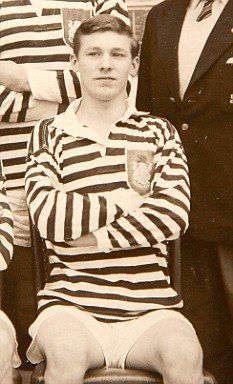
Sir Alex Ferguson: United boss
Ferguson took the plunge into management with East Stirling in July 1974 then moved to First Division side St Mirren in October of the same year. He promptly guided the Paisley club to the championship in 1976-77 and, despite doing so on limited resources, Ferguson was sacked three years into his tenure after a disagreement with the club's chairman.
Fergie eventually signed for the Aberdeen in August 1978 and transformed an average side into the form team of the 1980s, breaking The Old Firm (Rangers and Celtic) stranglehold on Scottish football, and led the Granite City club to three league titles, four Scottish Cups and a League Cup in eight seasons. His greatest achievement , though, came in 1983 when he led Aberdeen to a 2-1 victory over the mighty Real Madrid in the European Cup Winners' Cup.
He rejected lucrative offers from Barcelona, Arsenal, Rangers and Tottenham to take control of Manchester United on in November 1986 and initially appeared to have left his success in Scotland. However, Ferguson was rebuilding the club in minute detail and revamped the youth system and stamped out the drinking culture at Old Trafford by shipping out many of the crowd's favourites.

Yet Fergie's job was on the line as United went into a Third Round FA Cup tie against Nottingham Forest having lost six and drawn two in eight games - and he was only saved by a narrow 1-0 win. That victory marked a turning point in fortunes for Ferguson and the club won the FA Cup in 1990, then the European Cup Winners' Cup a year later.
In the new 'Premier League' Ferguson found more success. The arrival of enigmatic Frenchman Eric Cantona proved to be the final piece of the jigsaw and United finally won the league title, ending a 26-year drought. Then the 1993-94 season saw United stamp their authority on English football as Ferguson claimed his first Double - beating Blackburn Rovers to the League Championship and crushing Chelsea 4-0 in the FA Cup final.
Another Double came two years later and with 'Fergie's Fledglings' - David Beckham, the Neville Brothers, Paul Scholes, Nicky Butt and Ryan Giggs - in full flight, they went one better in 1998-99 by claiming an historic Treble with a 2-1 win over Bayern Munich in the Champions League. The manager was subsequently knighted - becoming Sir Alex Ferguson - in the Queen's birthday honours list as a reward for his services to British football.
The 2000-01 season saw United cruise to another title, this time wrapping it up in mid-April, as Ferguson became the first manager to win three English League titles in a row to become the most successful manager in the history of English football. But Arsenal, and then Chelsea continued to challenge United's dominance.
![]()

Picking up just one title (2003) in four years, Ferguson rebuilt his side with the purchases of Cristiano Ronaldo and Wayne Rooney and by 2007 he was back at football's top table again.
![]()

Having built his third team at Old Trafford, United won three back-to-back titles from 2007-2009 and also claimed another Champions League title - beating Chelsea on penalties in Moscow in 2008. Having equalled Liverpool's record haul, he overtook it in 2011 and ensured that his place in football's record books is written in stone.
Strengths: A hard taskmaster, Ferguson gets 100% out of his players and commands ultimate respect. His experience is second to none and he knows every trick in the book in terms of psychological games.
Weaknesses: Quick to blame others for his sides' defeats and criticise match officials, perhaps his arrogance is his biggest downfall.

Career high: Winning the treble in 1999, with a stunning fightback in Barcelona's Champions League final against Bayern Munich.
Career low: November and December of 1989, when Manchester United lost six and drew two in eight games. One more defeat and it was widely predicted that he would be sacked. Ferguson called this his 'darkest period'.
Tactics: With such a long time at the helm behind him, Ferguson has seen it all. He loves his players to be passionate and work hard around the pitch, while a quick counter-attacking game is usually at the heart of any gameplan that he has worked out.
![]()

Quotes: ''You'll win nothing with kids.'' Alan Hansen, on the United side that became one of the most successful teams in history.
Trivia: Ferguson's house in Wilmslow is named Fairfields after the shipyard at which his parents worked.
Reference
http://www.siralexferguson.net/
http://soccernet.espn.go.com/manager/_/id/30/sir-alex-ferguson?cc=4716
http://soccernet.espn.go.com/manager/_/id/30/sir-alex-ferguson?cc=4716


